

Nos techniciens électriques internes hautement qualifiés sont spécialisés dans la maintenance, les réparations et les installations électriques.
Réparation et remise à neuf des panneaux électriques
La réparation et la remise à neuf des panneaux électriques industriels et miniers impliquent l’inspection, l’entretien, la réparation et la mise à niveau des panneaux de contrôle électrique utilisés dans les applications industrielles et minières. Les panneaux électriques, également appelés tableaux de distribution ou panneaux de contrôle, jouent un rôle central dans le contrôle et la distribution de l’énergie électrique aux différents équipements et machines au sein des installations industrielles et minières.
Au fil du temps, ces panneaux peuvent subir une usure, un vieillissement ou des dysfonctionnements, nécessitant réparation et remise à neuf pour garantir leur fiabilité et leur sécurité continues. La réparation et la remise à neuf des panneaux électriques industriels et miniers sont essentielles pour maintenir la fiabilité, la sécurité et l’efficacité des systèmes de distribution électrique dans ces environnements exigeants.
Ces tâches sont généralement réalisées par des techniciens ou ingénieurs électriciens professionnels spécialisés dans les systèmes électriques industriels et miniers, afin d’assurer la conformité aux normes et réglementations du secteur.
Key aspects of industrial and mining electrical panel repair and refurbishment include
Inspection and Assessment
A thorough inspection is conducted to assess the condition of the electrical panel. This includes checking for signs of wear, corrosion, loose connections, damaged components, and compliance with safety standards.
Cleaning and Decontamination
Industrial environments, especially in mining, can expose electrical panels to dust, dirt, and contaminants. Cleaning and decontamination are essential to prevent issues such as electrical arcing and ensure proper heat dissipation.
Rewiring and Cable Replacement
If wiring or cables show signs of damage or deterioration, they are replaced to maintain electrical integrity and prevent the risk of short circuits or electrical faults.
Compliance with Regulations
Industrial and mining electrical panels must comply with relevant safety and electrical codes and standards. During refurbishment, any necessary modifications are made to ensure compliance with the latest regulations.
Labeling and Documentation
Proper labeling of components and circuits is essential for maintenance and troubleshooting. Updated documentation is provided to reflect any changes made during the repair and refurbishment process.
Safety Measures
Safety features, such as emergency stops, warning labels, and interlocks, are verified and, if necessary, upgraded to ensure the safety of personnel working with or near the electrical panel.
Testing and Diagnostics
Various electrical tests are performed to identify any issues with components, circuits, and overall functionality. This may include insulation resistance testing, continuity checks, and verifying the accuracy of meters and gauges.
Upgrades and Modernization
Refurbishment may include upgrading the electrical panel with modern components or technologies to enhance functionality, efficiency, and safety. This could involve adding new control features, digital meters, or communication interfaces.
Replacement of Components
Worn-out or damaged components, such as circuit breakers, contactors, relays, and meters, are replaced with new ones to maintain the reliability and performance of the electrical panel.
Sealing and Environmental Protection
In mining environments, electrical panels may be exposed to moisture and harsh conditions. Sealing measures and environmental protection measures, such as the use of NEMA or IP enclosures, are implemented to safeguard the panel against these elements.
Functional Testing
After repairs and refurbishment, the electrical panel undergoes functional testing to ensure that all components work as intended and that the panel can effectively control and distribute electrical power.
Conception et Assemblage de Panneaux Électriques
La conception et l’assemblage de panneaux électriques industriels et miniers impliquent la planification, l’ingénierie et la construction de panneaux de contrôle électrique utilisés dans les applications industrielles et minières. Ces panneaux, également appelés tableaux de distribution ou tableaux de contrôle, servent de centres névralgiques pour le contrôle et la distribution de l’énergie électrique aux différents équipements et machines au sein des installations industrielles et minières.
Le processus de conception et d’assemblage garantit que les panneaux électriques sont configurés pour répondre aux exigences opérationnelles spécifiques, aux normes de sécurité et aux conditions environnementales des environnements industriels et miniers. La conception et l’assemblage de panneaux électriques industriels et miniers nécessitent un effort collaboratif impliquant des ingénieurs électriciens, des concepteurs et des techniciens qualifiés.
L’objectif est de créer un système de distribution électrique fiable, efficace et sûr, adapté aux besoins et aux défis spécifiques des applications industrielles et minières.
Key aspects of industrial and mining electrical panel repair and refurbishment include
Needs Assessment
A thorough assessment is conducted to understand the electrical requirements and operational needs of the industrial or mining facility. This includes determining the voltage levels, power distribution requirements, control systems, and safety considerations.
System Architecture
Engineers develop a system architecture that outlines the arrangement of components, control devices, and power distribution within the electrical panel. This includes considerations for the layout and organization of the panel’s interior.
Wiring Diagrams and Schematics
Creation of detailed wiring diagrams and schematics that illustrate the electrical connections, circuits, and relationships between components. These diagrams serve as a guide during the assembly process and for future troubleshooting.
Safety Features
Incorporation of safety features is a priority, including emergency stops, interlocks, fault protection, and other measures to safeguard personnel and equipment.
Cable Management
Efficient cable routing and management are crucial for preventing interference, reducing the risk of electrical faults, and facilitating ease of maintenance. Cable entry and exit points are carefully planned.
Testing and Quality Assurance
Rigorous testing is conducted to verify the functionality, safety features, and compliance of the assembled electrical panel. This may include electrical testing, insulation resistance tests, and functional checks.
Regulatory Compliance
Designing electrical panels involves adherence to applicable electrical codes, safety standards, and regulations governing industrial and mining installations. Compliance with local and international standards is critical for ensuring safety and reliability.
Component Selection
Selection of components such as circuit breakers, relays, contactors, switches, meters, and other devices is a crucial part of the design process. The chosen components must meet the specifications of the industrial or mining application.
Environmental Considerations
Panels in mining and industrial settings may be exposed to harsh environmental conditions. Designers consider factors like temperature extremes, humidity, dust, and corrosive substances, selecting components and enclosures that can withstand these conditions.
Panel Enclosure
Selection of an appropriate enclosure (NEMA or IP rated) based on the environmental conditions to protect the panel from external elements such as water, dust, and chemicals.
Assembly and Wiring
Skilled technicians assemble the electrical panel, following the design specifications. Wiring is carefully executed to ensure proper connections, reduce electromagnetic interference, and maintain electrical integrity.
Documentation
Comprehensive documentation, including operation manuals, maintenance procedures, and as-built drawings, is prepared for future reference.
Réparation et remise à neuf des panneaux électriques
La réparation et la remise à neuf des panneaux électriques industriels et miniers impliquent l’inspection, l’entretien, la réparation et la mise à niveau des panneaux de contrôle électrique utilisés dans les applications industrielles et minières. Les panneaux électriques, également appelés tableaux de distribution ou panneaux de contrôle, jouent un rôle central dans le contrôle et la distribution de l’énergie électrique aux différents équipements et machines au sein des installations industrielles et minières.
Au fil du temps, ces panneaux peuvent subir une usure, un vieillissement ou des dysfonctionnements, nécessitant réparation et remise à neuf pour garantir leur fiabilité et leur sécurité continues. La réparation et la remise à neuf des panneaux électriques industriels et miniers sont essentielles pour maintenir la fiabilité, la sécurité et l’efficacité des systèmes de distribution électrique dans ces environnements exigeants.
Ces tâches sont généralement réalisées par des techniciens ou ingénieurs électriciens professionnels spécialisés dans les systèmes électriques industriels et miniers, afin d’assurer la conformité aux normes et réglementations du secteur.
Key aspects of industrial and mining electrical panel repair and refurbishment include
Inspection and Assessment
A thorough inspection is conducted to assess the condition of the electrical panel. This includes checking for signs of wear, corrosion, loose connections, damaged components, and compliance with safety standards.
Cleaning and Decontamination
Industrial environments, especially in mining, can expose electrical panels to dust, dirt, and contaminants. Cleaning and decontamination are essential to prevent issues such as electrical arcing and ensure proper heat dissipation.
Rewiring and Cable Replacement
If wiring or cables show signs of damage or deterioration, they are replaced to maintain electrical integrity and prevent the risk of short circuits or electrical faults.
Compliance with Regulations
Industrial and mining electrical panels must comply with relevant safety and electrical codes and standards. During refurbishment, any necessary modifications are made to ensure compliance with the latest regulations.
Labeling and Documentation
Proper labeling of components and circuits is essential for maintenance and troubleshooting. Updated documentation is provided to reflect any changes made during the repair and refurbishment process.
Safety Measures
Safety features, such as emergency stops, warning labels, and interlocks, are verified and, if necessary, upgraded to ensure the safety of personnel working with or near the electrical panel.
Testing and Diagnostics
Various electrical tests are performed to identify any issues with components, circuits, and overall functionality. This may include insulation resistance testing, continuity checks, and verifying the accuracy of meters and gauges.
Upgrades and Modernization
Refurbishment may include upgrading the electrical panel with modern components or technologies to enhance functionality, efficiency, and safety. This could involve adding new control features, digital meters, or communication interfaces.
Replacement of Components
Worn-out or damaged components, such as circuit breakers, contactors, relays, and meters, are replaced with new ones to maintain the reliability and performance of the electrical panel.
Sealing and Environmental Protection
In mining environments, electrical panels may be exposed to moisture and harsh conditions. Sealing measures and environmental protection measures, such as the use of NEMA or IP enclosures, are implemented to safeguard the panel against these elements.
Functional Testing
After repairs and refurbishment, the electrical panel undergoes functional testing to ensure that all components work as intended and that the panel can effectively control and distribute electrical power.
Conception et Assemblage de Panneaux Électriques
La conception et l’assemblage de panneaux électriques industriels et miniers impliquent la planification, l’ingénierie et la construction de panneaux de contrôle électrique utilisés dans les applications industrielles et minières. Ces panneaux, également appelés tableaux de distribution ou tableaux de contrôle, servent de centres névralgiques pour le contrôle et la distribution de l’énergie électrique aux différents équipements et machines au sein des installations industrielles et minières.
Le processus de conception et d’assemblage garantit que les panneaux électriques sont configurés pour répondre aux exigences opérationnelles spécifiques, aux normes de sécurité et aux conditions environnementales des environnements industriels et miniers. La conception et l’assemblage de panneaux électriques industriels et miniers nécessitent un effort collaboratif impliquant des ingénieurs électriciens, des concepteurs et des techniciens qualifiés.
L’objectif est de créer un système de distribution électrique fiable, efficace et sûr, adapté aux besoins et aux défis spécifiques des applications industrielles et minières.
Key aspects of industrial and mining electrical panel repair and refurbishment include
Needs Assessment
A thorough assessment is conducted to understand the electrical requirements and operational needs of the industrial or mining facility. This includes determining the voltage levels, power distribution requirements, control systems, and safety considerations.
System Architecture
Engineers develop a system architecture that outlines the arrangement of components, control devices, and power distribution within the electrical panel. This includes considerations for the layout and organization of the panel’s interior.
Wiring Diagrams and Schematics
Creation of detailed wiring diagrams and schematics that illustrate the electrical connections, circuits, and relationships between components. These diagrams serve as a guide during the assembly process and for future troubleshooting.
Safety Features
Incorporation of safety features is a priority, including emergency stops, interlocks, fault protection, and other measures to safeguard personnel and equipment.
Cable Management
Efficient cable routing and management are crucial for preventing interference, reducing the risk of electrical faults, and facilitating ease of maintenance. Cable entry and exit points are carefully planned.
Testing and Quality Assurance
Rigorous testing is conducted to verify the functionality, safety features, and compliance of the assembled electrical panel. This may include electrical testing, insulation resistance tests, and functional checks.
Regulatory Compliance
Designing electrical panels involves adherence to applicable electrical codes, safety standards, and regulations governing industrial and mining installations. Compliance with local and international standards is critical for ensuring safety and reliability.
Component Selection
Selection of components such as circuit breakers, relays, contactors, switches, meters, and other devices is a crucial part of the design process. The chosen components must meet the specifications of the industrial or mining application.
Environmental Considerations
Panels in mining and industrial settings may be exposed to harsh environmental conditions. Designers consider factors like temperature extremes, humidity, dust, and corrosive substances, selecting components and enclosures that can withstand these conditions.
Panel Enclosure
Selection of an appropriate enclosure (NEMA or IP rated) based on the environmental conditions to protect the panel from external elements such as water, dust, and chemicals.
Assembly and Wiring
Skilled technicians assemble the electrical panel, following the design specifications. Wiring is carefully executed to ensure proper connections, reduce electromagnetic interference, and maintain electrical integrity.
Documentation
Comprehensive documentation, including operation manuals, maintenance procedures, and as-built drawings, is prepared for future reference.
Mise en service de nouvelles sous-stations
La mise en service de nouvelles sous-stations dans des environnements industriels et miniers implique un processus systématique de vérification, de tests et de mise en fonctionnement des différents composants et systèmes d’une sous-station électrique nouvellement construite ou modernisée.
Les sous-stations jouent un rôle crucial dans la distribution de l’énergie, en transformant et en gérant les niveaux de tension électrique pour assurer une alimentation sûre et efficace des différents équipements et machines au sein d’une installation industrielle ou minière. Le processus de mise en service est une étape essentielle pour garantir le fonctionnement fiable et sûr d’une nouvelle sous-station.
Il nécessite une collaboration étroite entre ingénieurs, techniciens et chefs de projet afin de valider et de vérifier systématiquement les performances des composants de la sous-station avant sa mise en exploitation régulière.
Key aspects of industrial and mining electrical panel repair and refurbishment include
Pre-Commissioning Planning
Develop a comprehensive commissioning plan outlining the scope, sequence of activities, and testing procedures. This plan is often prepared well in advance of the actual commissioning.
Functional Testing
Perform functional testing of individual components and systems to ensure they operate as intended. This includes checking the functionality of protection relays, control systems, and communication interfaces.
Voltage and Current Checks
Verify that the voltage and current levels at different points within the substation align with design specifications.
Control System Verification
Check the operation of the control system, including local and remote-control features. Verify communication links and interfaces with other systems.
Switchgear and Circuit Breaker Testing
Test the switching equipment, including circuit breakers and switchgear, to verify their reliability and ability to interrupt and isolate circuits when necessary.
Emergency Systems Testing
Test emergency systems, backup power supplies, and auxiliary systems to ensure their readiness in case of power outages or other emergencies.
Training
Provide training for operating and maintenance personnel on the operation, monitoring, and maintenance of the new substation.
Commissioning Report
Prepare a detailed commissioning report documenting the entire process, test results, and any issues addressed during commissioning.
Equipment Inspection
Conduct a thorough inspection of all substation components, including transformers, circuit breakers, switches, relays, meters, and control systems. Verify the equipment meets design specifications & industry standards.
Electrical Testing
Conduct electrical tests to verify the integrity and performance of the substation. This may include insulation resistance tests, continuity tests, and high-potential (Hi-Pot) tests.
Protection System Testing
Test the protection and relay systems to ensure they respond appropriately to abnormal conditions, such as overcurrent or fault events.
Transformer Testing
Perform specific tests on transformers, including turns ratio tests, impedance tests, and load tests, to ensure their proper functioning and efficiency.
Protection Coordination
Verify that the protection settings and coordination between protection devices are correctly configured to provide selective tripping and minimize the impact of faults.
Documentation and As-Built Drawings
Review and update documentation, including as-built drawings, to reflect any changes made during construction or commissioning.
Safety Checks
Conduct safety checks to ensure that all safety features, signage, and emergency procedures are in place and functional.
Mise en service de nouvelles sous-stations
La mise en service de nouvelles sous-stations dans des environnements industriels et miniers implique un processus systématique de vérification, de tests et de mise en fonctionnement des différents composants et systèmes d’une sous-station électrique nouvellement construite ou modernisée.
Les sous-stations jouent un rôle crucial dans la distribution de l’énergie, en transformant et en gérant les niveaux de tension électrique pour assurer une alimentation sûre et efficace des différents équipements et machines au sein d’une installation industrielle ou minière. Le processus de mise en service est une étape essentielle pour garantir le fonctionnement fiable et sûr d’une nouvelle sous-station.
Il nécessite une collaboration étroite entre ingénieurs, techniciens et chefs de projet afin de valider et de vérifier systématiquement les performances des composants de la sous-station avant sa mise en exploitation régulière.
Key aspects of industrial and mining electrical panel repair and refurbishment include
Pre-Commissioning Planning
Develop a comprehensive commissioning plan outlining the scope, sequence of activities, and testing procedures. This plan is often prepared well in advance of the actual commissioning.
Functional Testing
Perform functional testing of individual components and systems to ensure they operate as intended. This includes checking the functionality of protection relays, control systems, and communication interfaces.
Voltage and Current Checks
Verify that the voltage and current levels at different points within the substation align with design specifications.
Control System Verification
Check the operation of the control system, including local and remote-control features. Verify communication links and interfaces with other systems.
Switchgear and Circuit Breaker Testing
Test the switching equipment, including circuit breakers and switchgear, to verify their reliability and ability to interrupt and isolate circuits when necessary.
Emergency Systems Testing
Test emergency systems, backup power supplies, and auxiliary systems to ensure their readiness in case of power outages or other emergencies.
Training
Provide training for operating and maintenance personnel on the operation, monitoring, and maintenance of the new substation.
Commissioning Report
Prepare a detailed commissioning report documenting the entire process, test results, and any issues addressed during commissioning.
Equipment Inspection
Conduct a thorough inspection of all substation components, including transformers, circuit breakers, switches, relays, meters, and control systems. Verify the equipment meets design specifications & industry standards.
Electrical Testing
Conduct electrical tests to verify the integrity and performance of the substation. This may include insulation resistance tests, continuity tests, and high-potential (Hi-Pot) tests.
Protection System Testing
Test the protection and relay systems to ensure they respond appropriately to abnormal conditions, such as overcurrent or fault events.
Transformer Testing
Perform specific tests on transformers, including turns ratio tests, impedance tests, and load tests, to ensure their proper functioning and efficiency.
Protection Coordination
Verify that the protection settings and coordination between protection devices are correctly configured to provide selective tripping and minimize the impact of faults.
Documentation and As-Built Drawings
Review and update documentation, including as-built drawings, to reflect any changes made during construction or commissioning.
Safety Checks
Conduct safety checks to ensure that all safety features, signage, and emergency procedures are in place and functional.
Chaudronnerie
La chaudronnerie dans les secteurs industriel et minier implique la fabrication, l’assemblage, l’installation et l’entretien de chaudières et d’appareils à pression. Les chaudières sont des composants essentiels dans divers processus industriels, y compris les opérations minières, où elles sont utilisées pour générer de la vapeur pour le chauffage, la production d’énergie et d’autres applications.
La chaudronnerie englobe un ensemble de compétences et d’activités liées à la construction et à l’entretien de ces appareils à pression, garantissant leur sécurité, leur efficacité et leur conformité aux normes industrielles. La chaudronnerie est un domaine spécialisé qui nécessite des artisans qualifiés, des soudeurs et des ingénieurs ayant une connaissance approfondie de la construction des appareils à pression.
La fiabilité et la sécurité des chaudières sont cruciales pour le bon fonctionnement des processus industriels et miniers. Ainsi, les chaudronniers jouent un rôle essentiel pour garantir que ces composants critiques soient conçus, fabriqués et entretenus selon les normes les plus strictes de qualité et de sécurité.
Key aspects of boilermaking within the industrial and mining sector include
Boiler Fabrication
Fabricating and assembling boilers and pressure vessels according to engineering specifications, design drawings, and applicable codes and standards.
Welding and Joining
Utilizing various welding techniques to join boiler components securely. Skilled welders play a crucial role in ensuring the integrity of the pressure vessel.
Pressure Testing
Conducting pressure tests to ensure the structural integrity and safety of the boiler. This involves testing the vessel under various pressure conditions to simulate operating conditions.
Maintenance and Repairs
Performing routine maintenance to ensure boilers operate efficiently and safely. Conducting repairs, replacements, or upgrades to address wear and tear, corrosion, or other issues.
Documentation
Maintaining accurate documentation, including fabrication records, inspection reports, and as-built drawings for each boiler or pressure vessel.
Alignment with Industry Standards
Staying updated on industry best practices, technological advancements, and changes in standards related to boilermaking.
Material Selection
Choosing appropriate materials for constructing boilers based on factors such as pressure, temperature, and the specific requirements of the industrial or mining process.
Quality Control
Implementing rigorous quality control measures throughout the fabrication process to detect and address any defects or deviations from design specifications.
Compliance with Regulations
Ensuring that boilermaking activities comply with local, national, and international regulations and standards, including boiler and pressure vessel codes.
Safety Measures
Implementing safety measures during fabrication, installation, and maintenance to protect workers and prevent accidents. Adhering to safety protocols and guidelines for working with high-pressure equipment.
Installation and Assembly
Installing boilers within industrial or mining facilities, connecting them to the necessary piping, control systems, and other auxiliary equipment.
Réparations de la salle des lampes
La salle des lampes est une installation désignée où les travailleurs obtiennent, stockent et entretiennent leurs lampes de sécurité personnelles ou lampes frontales. Ces lampes sont essentielles pour fournir un éclairage dans des environnements souterrains ou à faible luminosité, couramment rencontrés dans les opérations minières.
Les réparations de la salle des lampes dans le secteur industriel et minier impliquent l’entretien, le service et la réparation de ces lampes de sécurité afin de garantir leur bon fonctionnement, offrant ainsi des sources de lumière fiables pour les mineurs travaillant dans des conditions difficiles. Les réparations de la salle des lampes sont cruciales pour assurer que les mineurs disposent d’un équipement d’éclairage fiable et fonctionnel, vital pour leur sécurité dans les espaces souterrains ou confinés.
Une salle des lampes bien entretenue contribue de manière significative à la sécurité et à l’efficacité globales des opérations minières, aidant à prévenir les accidents et garantissant que les mineurs peuvent effectuer leurs tâches efficacement dans des zones où la lumière naturelle est limitée.
Key aspects of Lamp Room repairs in the industrial and mining sector include
Inspection and Maintenance
Regular inspection of safety lamps to identify any signs of wear, damage, or malfunction. Cleaning and routine maintenance to ensure lamps are in optimal working condition.
Casing and Housing Inspection
Inspecting the casing and housing of lamps for any cracks, breaks, or damage. Repairing or replacing damaged casings to maintain the structural integrity of the lamp.
Sealing and Waterproofing
Ensuring that lamps are properly sealed and waterproofed, especially if they are used in wet or damp underground environments.
Record Keeping
Maintaining detailed records of lamp inspections, repairs, and replacements. Keeping track of the service history of each safety lamp.
Training and Education
Providing training to miners on the proper use, care, and maintenance of their safety lamps. Educating miners on the importance of reporting any issues with their lamps promptly.
Switches and Controls
Verifying the functionality of switches and controls to ensure miners can easily operate the lamps in various conditions. Repairing or replacing switches if they are faulty.
Compliance with Safety Standards
Conducting repairs to ensure that safety lamps comply with relevant safety standards and regulations. Performing tests to ensure luminosity and other safety features meet required specifications.
Battery and Power Source Checks
Verifying the functionality of the power source, which may include rechargeable batteries, to ensure a continuous and reliable power supply.
Charging Systems
Checking and maintaining charging systems to ensure lamps are ready for use and adequately charged before each shift.
Bulb Replacement
Replacing light bulbs or LEDs to maintain appropriate brightness levels.
Réparations de la salle des lampes
La salle des lampes est une installation désignée où les travailleurs obtiennent, stockent et entretiennent leurs lampes de sécurité personnelles ou lampes frontales. Ces lampes sont essentielles pour fournir un éclairage dans des environnements souterrains ou à faible luminosité, couramment rencontrés dans les opérations minières.
Les réparations de la salle des lampes dans le secteur industriel et minier impliquent l’entretien, le service et la réparation de ces lampes de sécurité afin de garantir leur bon fonctionnement, offrant ainsi des sources de lumière fiables pour les mineurs travaillant dans des conditions difficiles. Les réparations de la salle des lampes sont cruciales pour assurer que les mineurs disposent d’un équipement d’éclairage fiable et fonctionnel, vital pour leur sécurité dans les espaces souterrains ou confinés.
Une salle des lampes bien entretenue contribue de manière significative à la sécurité et à l’efficacité globales des opérations minières, aidant à prévenir les accidents et garantissant que les mineurs peuvent effectuer leurs tâches efficacement dans des zones où la lumière naturelle est limitée.
Key aspects of Lamp Room repairs in the industrial and mining sector include
Inspection and Maintenance
Regular inspection of safety lamps to identify any signs of wear, damage, or malfunction. Cleaning and routine maintenance to ensure lamps are in optimal working condition.
Casing and Housing Inspection
Inspecting the casing and housing of lamps for any cracks, breaks, or damage. Repairing or replacing damaged casings to maintain the structural integrity of the lamp.
Sealing and Waterproofing
Ensuring that lamps are properly sealed and waterproofed, especially if they are used in wet or damp underground environments.
Record Keeping
Maintaining detailed records of lamp inspections, repairs, and replacements. Keeping track of the service history of each safety lamp.
Training and Education
Providing training to miners on the proper use, care, and maintenance of their safety lamps. Educating miners on the importance of reporting any issues with their lamps promptly.
Switches and Controls
Verifying the functionality of switches and controls to ensure miners can easily operate the lamps in various conditions. Repairing or replacing switches if they are faulty.
Compliance with Safety Standards
Conducting repairs to ensure that safety lamps comply with relevant safety standards and regulations. Performing tests to ensure luminosity and other safety features meet required specifications.
Battery and Power Source Checks
Verifying the functionality of the power source, which may include rechargeable batteries, to ensure a continuous and reliable power supply.
Charging Systems
Checking and maintaining charging systems to ensure lamps are ready for use and adequately charged before each shift.
Bulb Replacement
Replacing light bulbs or LEDs to maintain appropriate brightness levels.
Chaudronnerie
La chaudronnerie dans les secteurs industriel et minier implique la fabrication, l’assemblage, l’installation et l’entretien de chaudières et d’appareils à pression. Les chaudières sont des composants essentiels dans divers processus industriels, y compris les opérations minières, où elles sont utilisées pour générer de la vapeur pour le chauffage, la production d’énergie et d’autres applications.
La chaudronnerie englobe un ensemble de compétences et d’activités liées à la construction et à l’entretien de ces appareils à pression, garantissant leur sécurité, leur efficacité et leur conformité aux normes industrielles. La chaudronnerie est un domaine spécialisé qui nécessite des artisans qualifiés, des soudeurs et des ingénieurs ayant une connaissance approfondie de la construction des appareils à pression.
La fiabilité et la sécurité des chaudières sont cruciales pour le bon fonctionnement des processus industriels et miniers. Ainsi, les chaudronniers jouent un rôle essentiel pour garantir que ces composants critiques soient conçus, fabriqués et entretenus selon les normes les plus strictes de qualité et de sécurité.
Key aspects of boilermaking within the industrial and mining sector include
Boiler Fabrication
Fabricating and assembling boilers and pressure vessels according to engineering specifications, design drawings, and applicable codes and standards.
Welding and Joining
Utilizing various welding techniques to join boiler components securely. Skilled welders play a crucial role in ensuring the integrity of the pressure vessel.
Pressure Testing
Conducting pressure tests to ensure the structural integrity and safety of the boiler. This involves testing the vessel under various pressure conditions to simulate operating conditions.
Maintenance and Repairs
Performing routine maintenance to ensure boilers operate efficiently and safely. Conducting repairs, replacements, or upgrades to address wear and tear, corrosion, or other issues.
Documentation
Maintaining accurate documentation, including fabrication records, inspection reports, and as-built drawings for each boiler or pressure vessel.
Alignment with Industry Standards
Staying updated on industry best practices, technological advancements, and changes in standards related to boilermaking.
Material Selection
Choosing appropriate materials for constructing boilers based on factors such as pressure, temperature, and the specific requirements of the industrial or mining process.
Quality Control
Implementing rigorous quality control measures throughout the fabrication process to detect and address any defects or deviations from design specifications.
Compliance with Regulations
Ensuring that boilermaking activities comply with local, national, and international regulations and standards, including boiler and pressure vessel codes.
Safety Measures
Implementing safety measures during fabrication, installation, and maintenance to protect workers and prevent accidents. Adhering to safety protocols and guidelines for working with high-pressure equipment.
Installation and Assembly
Installing boilers within industrial or mining facilities, connecting them to the necessary piping, control systems, and other auxiliary equipment.
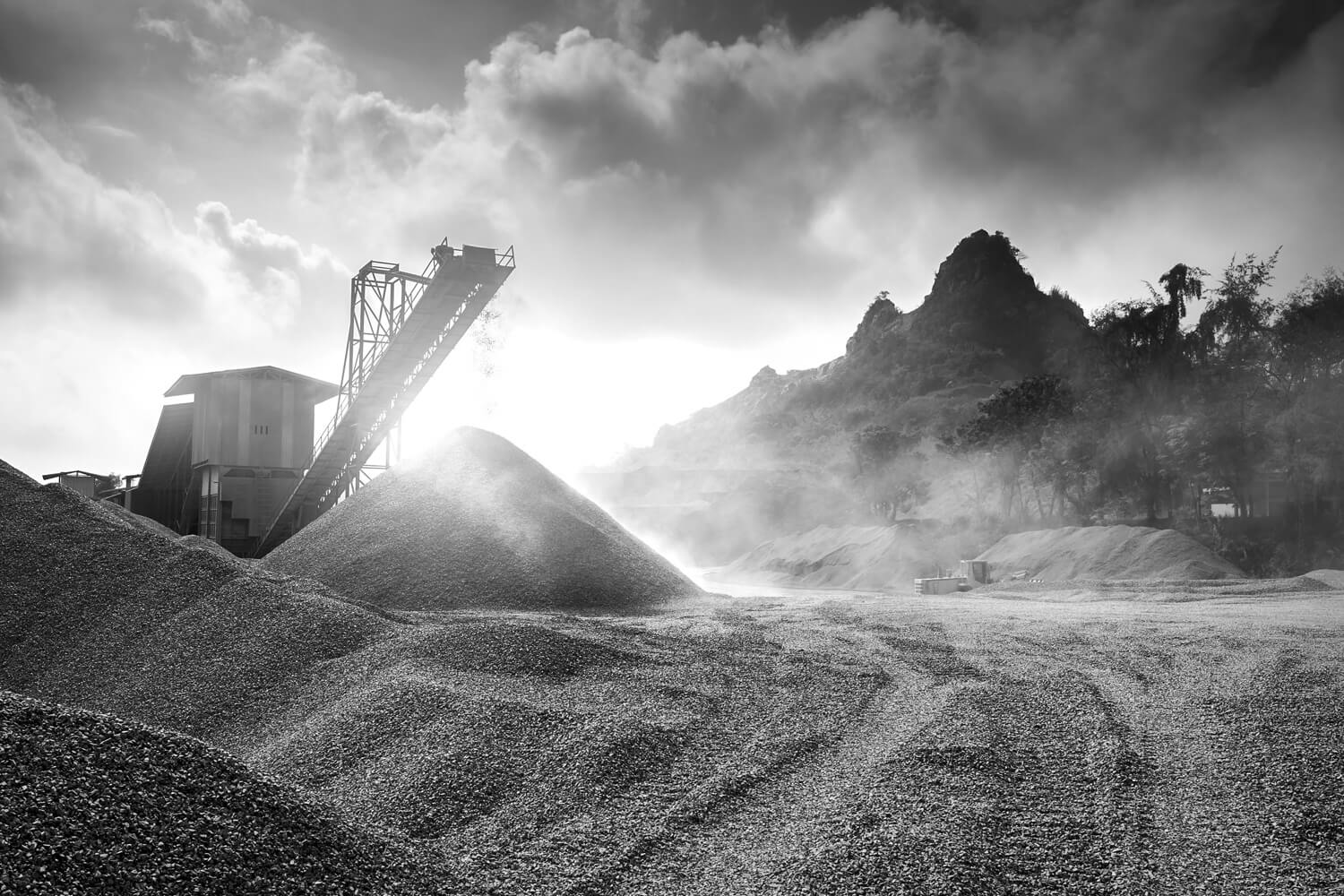
Solutions d’ingénierie
Les solutions d’ingénierie dans les secteurs industriel et minier impliquent l’application des principes, technologies et méthodologies d’ingénierie pour relever des défis, améliorer les processus et optimiser les opérations dans les environnements industriels et miniers. Ces solutions visent à améliorer l’efficacité, la sécurité, la durabilité et la performance globale tout en répondant aux besoins et contraintes spécifiques des secteurs industriel et minier.
Les solutions d’ingénierie dans les secteurs industriel et minier sont interdisciplinaires et impliquent souvent une collaboration entre ingénieurs, scientifiques, techniciens et autres professionnels. Ces solutions ont pour objectif de résoudre des problèmes complexes et de contribuer au développement durable et responsable des opérations industrielles et minières.
Key aspects of engineering solutions within the industrial and mining sector include
Process Optimization
Analyzing and improving existing industrial and mining processes to increase efficiency, reduce costs, and enhance overall productivity.
Safety Engineering
Implementing engineering solutions to enhance safety protocols, risk assessments, and emergency response plans within industrial and mining settings. This may involve designing safety systems, barriers, and implementing technologies to mitigate risks.
Environmental Compliance
Designing and implementing engineering solutions to ensure compliance with environmental regulations. This includes waste management, emissions control, and sustainable practices to minimize the environmental impact of industrial and mining activities.
Materials Handling and Logistics
Developing solutions for efficient materials handling, transportation, and logistics within industrial and mining operations. This includes optimizing supply chain processes and designing conveyor systems, material transport vehicles, and storage solutions.
Equipment Design and Innovation
Designing new machinery and equipment or optimizing existing ones to meet specific industrial or mining requirements. This includes incorporating advanced technologies for automation, control, and monitoring.
Water and Waste Management
Designing solutions for effective water management, wastewater treatment, and waste disposal in industrial and mining contexts. This involves addressing environmental regulations and minimizing the impact on local ecosystems.
Regulatory Compliance
Ensuring that engineering solutions align with local and international regulations, standards, and industry best practices.
Energy Efficiency
Developing solutions to optimize energy consumption, reduce waste, and increase energy efficiency in industrial and mining processes. This may include the implementation of energy-efficient technologies and renewable energy sources.
Automation and Control Systems
Designing and implementing automation solutions, control systems, and instrumentation to improve the precision, reliability, and efficiency of industrial and mining processes. This may involve the integration of sensors, actuators, and advanced control algorithms.
Data Analytics and Decision Support
Leveraging data analytics and information systems to gather, analyze, and interpret data for decision-making. This includes implementing solutions for predictive maintenance, process optimization, and real-time monitoring.
Infrastructure Design and Maintenance
Designing and maintaining industrial and mining infrastructure, including buildings, roads, bridges, and utilities. This involves considerations for structural integrity, durability, and compliance with industry standards.
Mine Planning and Resource Management
Developing engineering solutions for mine planning, resource extraction, and mineral processing. This includes optimizing extraction methods, designing mining equipment, and managing resource sustainability.
Solutions d’ingénierie
Les solutions d’ingénierie dans les secteurs industriel et minier impliquent l’application des principes, technologies et méthodologies d’ingénierie pour relever des défis, améliorer les processus et optimiser les opérations dans les environnements industriels et miniers. Ces solutions visent à améliorer l’efficacité, la sécurité, la durabilité et la performance globale tout en répondant aux besoins et contraintes spécifiques des secteurs industriel et minier.
Les solutions d’ingénierie dans les secteurs industriel et minier sont interdisciplinaires et impliquent souvent une collaboration entre ingénieurs, scientifiques, techniciens et autres professionnels. Ces solutions ont pour objectif de résoudre des problèmes complexes et de contribuer au développement durable et responsable des opérations industrielles et minières.
Key aspects of engineering solutions within the industrial and mining sector include
Process Optimization
Analyzing and improving existing industrial and mining processes to increase efficiency, reduce costs, and enhance overall productivity.
Safety Engineering
Implementing engineering solutions to enhance safety protocols, risk assessments, and emergency response plans within industrial and mining settings. This may involve designing safety systems, barriers, and implementing technologies to mitigate risks.
Environmental Compliance
Designing and implementing engineering solutions to ensure compliance with environmental regulations. This includes waste management, emissions control, and sustainable practices to minimize the environmental impact of industrial and mining activities.
Materials Handling and Logistics
Developing solutions for efficient materials handling, transportation, and logistics within industrial and mining operations. This includes optimizing supply chain processes and designing conveyor systems, material transport vehicles, and storage solutions.
Equipment Design and Innovation
Designing new machinery and equipment or optimizing existing ones to meet specific industrial or mining requirements. This includes incorporating advanced technologies for automation, control, and monitoring.
Water and Waste Management
Designing solutions for effective water management, wastewater treatment, and waste disposal in industrial and mining contexts. This involves addressing environmental regulations and minimizing the impact on local ecosystems.
Regulatory Compliance
Ensuring that engineering solutions align with local and international regulations, standards, and industry best practices.
Energy Efficiency
Developing solutions to optimize energy consumption, reduce waste, and increase energy efficiency in industrial and mining processes. This may include the implementation of energy-efficient technologies and renewable energy sources.
Automation and Control Systems
Designing and implementing automation solutions, control systems, and instrumentation to improve the precision, reliability, and efficiency of industrial and mining processes. This may involve the integration of sensors, actuators, and advanced control algorithms.
Data Analytics and Decision Support
Leveraging data analytics and information systems to gather, analyze, and interpret data for decision-making. This includes implementing solutions for predictive maintenance, process optimization, and real-time monitoring.
Infrastructure Design and Maintenance
Designing and maintaining industrial and mining infrastructure, including buildings, roads, bridges, and utilities. This involves considerations for structural integrity, durability, and compliance with industry standards.
Mine Planning and Resource Management
Developing engineering solutions for mine planning, resource extraction, and mineral processing. This includes optimizing extraction methods, designing mining equipment, and managing resource sustainability.
Fabrication
Notre division fabrication englobe la conception, la production et la fourniture d’équipements électriques, mécaniques et industriels de haute qualité, spécifiquement adaptés aux secteurs minier et industriel.
Sac à outils électrique
Chariot à outils mécanique
Kits d’outils électriques et mécaniques
Panneaux électriques
Tournevis électriques
Construction
Nous sommes spécialisés dans la fourniture de services de construction et d’installation de haute qualité, adaptés au secteur de la construction industrielle. Avec un accent sur l’innovation et l’efficacité, cette division propose des solutions complètes, incluant la conception, l’installation et la maintenance.
Notre équipe de professionnels expérimentés veille à ce que chaque projet respecte des normes strictes de sécurité et de performance, contribuant à un fonctionnement fiable et durable des installations industrielles. Grâce à un engagement envers l’excellence et la satisfaction client, notre division construction s’est imposée comme un partenaire de confiance dans le secteur.
Construction d’usines de fabrication : Conception et construction d’installations de production ultramodernes.
Entrepôts et centres de distribution : Construction d’entrepôts et d’installations logistiques à grande échelle.
Installations industrielles lourdes : Construction d’usines et de complexes industriels.
Gestion de projet : Gestion complète, de la planification à l’achèvement du projet.
Fabrication
Notre division fabrication englobe la conception, la production et la fourniture d’équipements électriques, mécaniques et industriels de haute qualité, spécifiquement adaptés aux secteurs minier et industriel.
Sac à outils électrique
Chariot à outils mécanique
Kits d’outils électriques et mécaniques
Panneaux électriques
Tournevis électriques
Construction
Nous sommes spécialisés dans la fourniture de services de construction et d’installation de haute qualité, adaptés au secteur de la construction industrielle. Avec un accent sur l’innovation et l’efficacité, cette division propose des solutions complètes, incluant la conception, l’installation et la maintenance.
Notre équipe de professionnels expérimentés veille à ce que chaque projet respecte des normes strictes de sécurité et de performance, contribuant à un fonctionnement fiable et durable des installations industrielles. Grâce à un engagement envers l’excellence et la satisfaction client, notre division construction s’est imposée comme un partenaire de confiance dans le secteur.
Construction d’usines de fabrication : Conception et construction d’installations de production ultramodernes.
Entrepôts et centres de distribution : Construction d’entrepôts et d’installations logistiques à grande échelle.
Installations industrielles lourdes : Construction d’usines et de complexes industriels.
Gestion de projet : Gestion complète, de la planification à l’achèvement du projet.